How Sachin Tendulkar, Sourav Ganguly, and Rahul Dravid Built Modern Indian Cricket
There are generations in cricket that are remembered for their trophies, and then there are generations remembered for changing the very identity of a team. For Indian cricket, the late 1990s and early 2000s belong to the latter.
Each brought something unique. Sachin Tendulkar carried the hopes of a billion people with his bat. Sourav Ganguly transformed India's mindset with fearless leadership. Rahul Dravid provided the calmness, discipline, and reliability that every great side requires.
Each brought something unique. Sachin Tendulkar carried the hopes of a billion people with his bat. Sourav Ganguly transformed India's mindset with fearless leadership. Rahul Dravid provided the calmness, discipline, and reliability that every great side requires.
That began to change with three extraordinary cricketers who arrived at different moments but reached their peak together—Sachin Tendulkar, Sourav Ganguly, and Rahul Dravid.
Together, they became the foundation upon which modern Indian cricket was built.
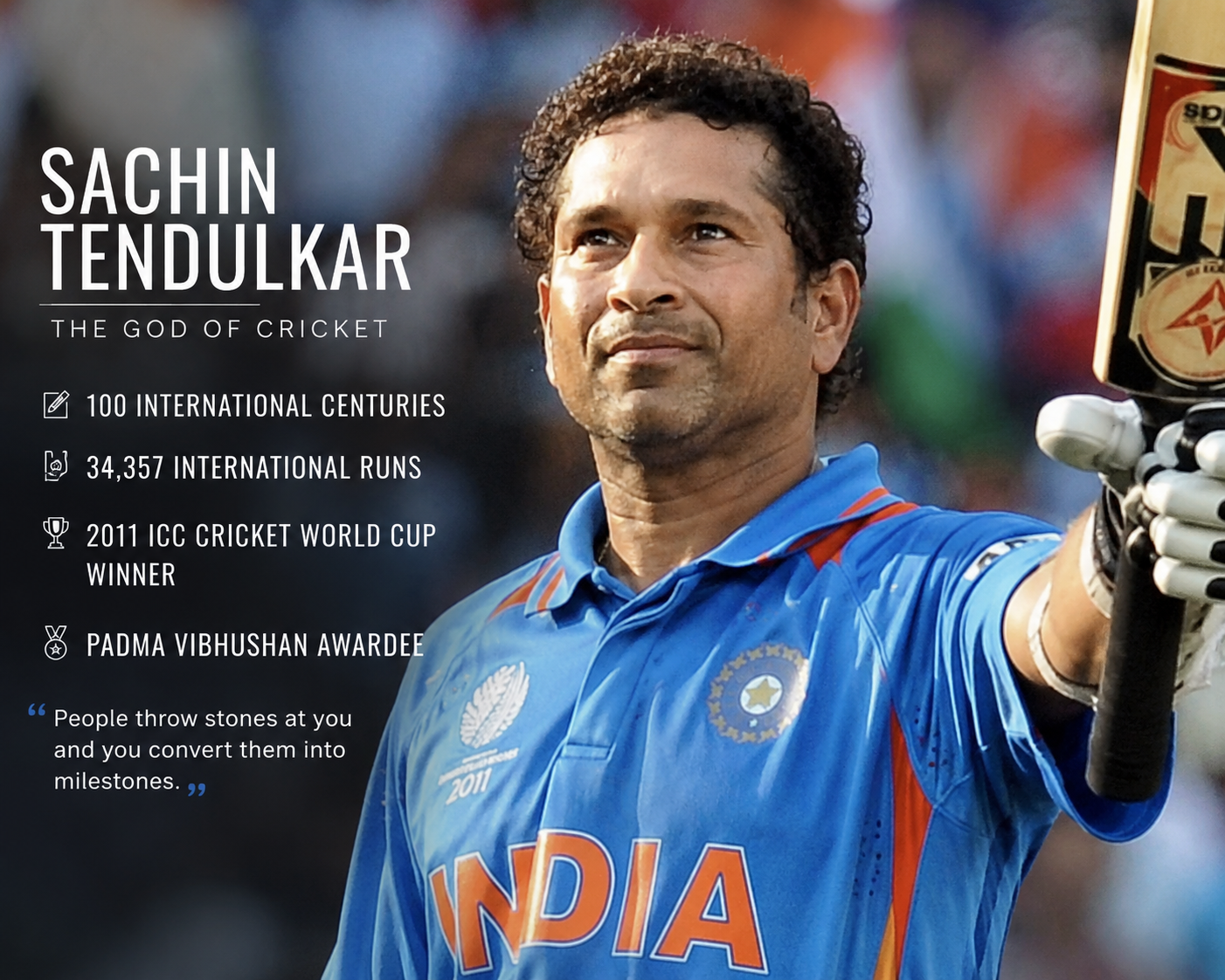
Sachin Tendulkar – The Genius Who Carried an Entire Nation
By the late 1990s, Sachin Tendulkar had already become more than just India's best batter—he had become a national obsession.
Whenever India played, millions tuned in with one hope: that Sachin would bat for as long as possible.
His technique was almost flawless. Against fast bowlers, he displayed courage beyond his years. Against spin, he attacked with confidence and precision. Whether facing Australia's fearsome pace attack, Pakistan's world-class bowling, or South Africa's hostile conditions, Tendulkar rarely looked intimidated.
His innings during the 1998 Coca-Cola Cup in Sharjah—popularly remembered as the "Desert Storm" knocks—remain among the greatest limited-overs performances ever played. Dominating an Australian attack featuring Shane Warne, Glenn McGrath, and others, Sachin showed why he was regarded as the finest batter of his generation.
What made Tendulkar extraordinary was not merely the number of runs he scored, but the pressure under which he performed. At a time when India's batting often revolved around him, every innings carried the expectations of an entire nation.
Opposition teams developed strategies solely to dismiss him early because they knew that removing Sachin significantly improved their chances of victory.
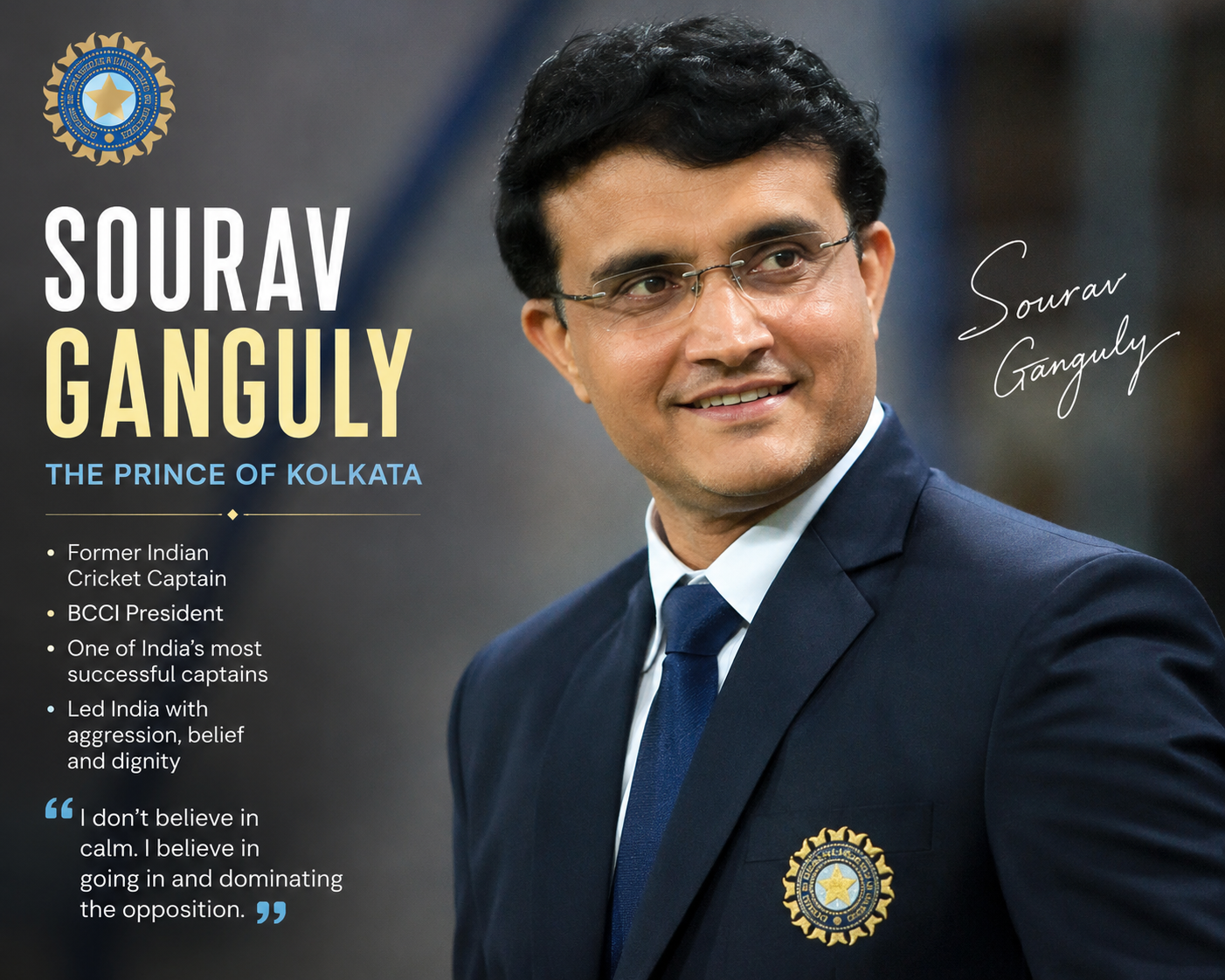
Sourav Ganguly – The Prince Who Made India Fearless
If Sachin represented excellence, Sourav Ganguly represented transformation.
When Ganguly became captain in 2000, Indian cricket desperately needed a leader capable of rebuilding trust after the match-fixing crisis. He responded by creating one of the strongest teams India had ever assembled.
Rather than relying only on senior players, Ganguly invested in youth.
He backed players such as Virender Sehwag, Yuvraj Singh, Harbhajan Singh, Zaheer Khan, Mohammad Kaif, Ashish Nehra, and Irfan Pathan when many questioned their readiness.
His greatest achievement was changing India's mentality.
Previous Indian teams often entered overseas tours hoping to compete. Ganguly wanted India to win.
His famous shirt-waving celebration on the balcony at Lord's after India won the 2002 NatWest Series final became one of the defining images of modern Indian cricket. It symbolized a team no longer willing to be intimidated.
As an opening batter, Ganguly was equally influential. Alongside Sachin Tendulkar, he formed one of the greatest opening partnerships in ODI history. Their combination of right-hand and left-hand batting, contrasting styles, and understanding consistently gave India explosive starts.
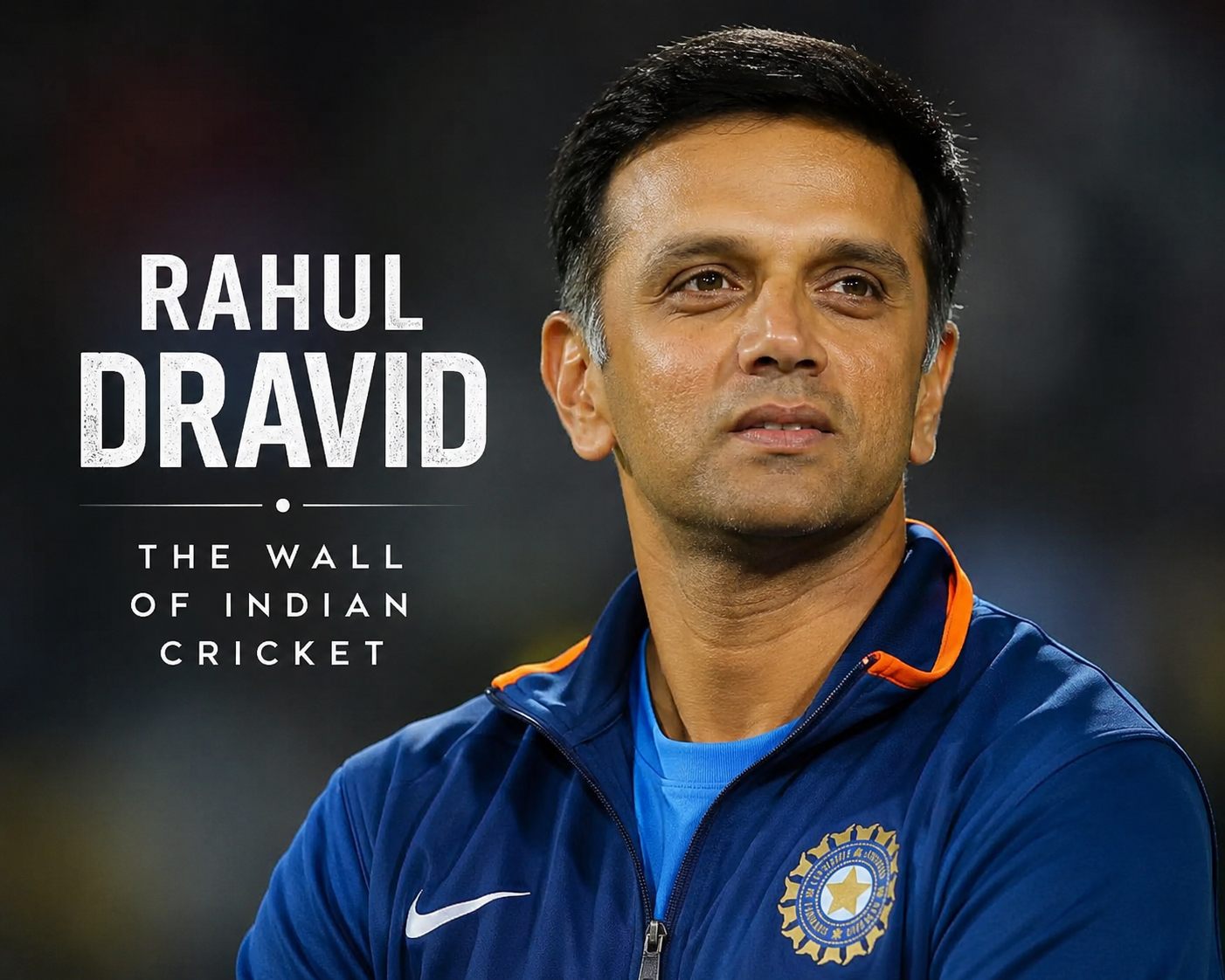
Rahul Dravid – The Wall Who Never Let India Fall
Every great team requires a player who provides stability when everything else is collapsing.
For India, that player was Rahul Dravid.
Nicknamed "The Wall," Dravid became synonymous with patience, resilience, and technical perfection.
He excelled in conditions where batting was at its most difficult. Swinging pitches in England, bouncy tracks in Australia, and seaming wickets in South Africa all brought out the best in him.
Unlike many modern batters, Dravid was prepared to bat for an entire day if the situation demanded it.
His greatest quality was adaptability.
He became India's wicketkeeper in One-Day Internationals—not because he aspired to keep wickets, but because doing so allowed India to field an additional batter or bowler. It was a selfless decision that highlighted his commitment to the team's success.
Dravid's match-winning innings at places like Adelaide, Headingley, Rawalpindi, and Kolkata demonstrated that India could not only compete overseas but dominate.
The Perfect Balance
What made this trio extraordinary was how naturally their strengths complemented one another.
Sachin provided brilliance.
Ganguly provided aggression.
Dravid provided stability.
If Sachin played the attacking role, Dravid anchored the innings.
If Ganguly inspired the dressing room, Sachin inspired the nation.
Together, they created a batting order that opponents found incredibly difficult to dismantle.Their mutual respect was equally important. Despite being superstars, there was remarkably little public ego or rivalry among them. Each understood his role, and each contributed to the team's larger objective.
The Legacy
Today's Indian team, known for competing confidently anywhere in the world, owes much to the foundation laid by this remarkable trio.
They inspired future stars including Mahendra Singh Dhoni, Virat Kohli, Rohit Sharma, and many others.
Sachin taught India to dream.
Ganguly taught India to believe.
Dravid taught India to endure.
Together, they transformed Indian cricket from a talented but inconsistent side into one of the world's most respected cricketing powers.
The story of modern Indian cricket cannot be told without them. They were more than three legendary batters—they were architects of a revolution whose impact continues to shape Indian cricket decades later.