The Origin of the Cricket World Cup
The ICC Cricket World Cup is regarded as the pinnacle of One Day International (ODI) cricket. Held every four years, it brings together the world's best cricketing nations in a tournament that captivates billions of fans across the globe. The competition has produced unforgettable moments, legendary players, and dramatic finals that have become part of cricket folklore.
The World Cup did not emerge overnight. It was the result of decades of change in cricket, the growing popularity of limited-overs matches, and the vision of administrators who believed the sport needed a global championship. What began as a relatively modest tournament in England in 1975 has evolved into one of the biggest sporting events in the world.
Cricket Before the World Cup
The Birth of Limited-Overs Cricket
The first major breakthrough came in England.
The format was an instant success.
Proving that shorter matches could coexist with traditional Test cricket.
The Historic 1971 ODI That Changed Cricket Forever
One of the most significant moments in cricket history occurred almost by accident.
The Historic 1971 ODI That Changed Cricket Forever
Australia VS England (MCC) 1971 (at Melbourne)
Why England Hosted the First World Cup
By the early 1970s, the International Cricket Conference (now the International Cricket Council) had begun discussing the idea of organizing a global championship for ODI cricket.
England was selected as the host nation for several reasons:
It possessed excellent cricket grounds such as Lord's, The Oval, Headingley, Old Trafford, Trent Bridge, and Edgbaston.
England had several years of experience organizing successful domestic one-day tournaments.
June offered favorable weather conditions.
Financial sponsorship was easier to secure through English companies.
Broadcasting infrastructure was already well established.
These advantages made England the obvious choice for hosting cricket's first world championship.
The First Cricket World Cup (1975)
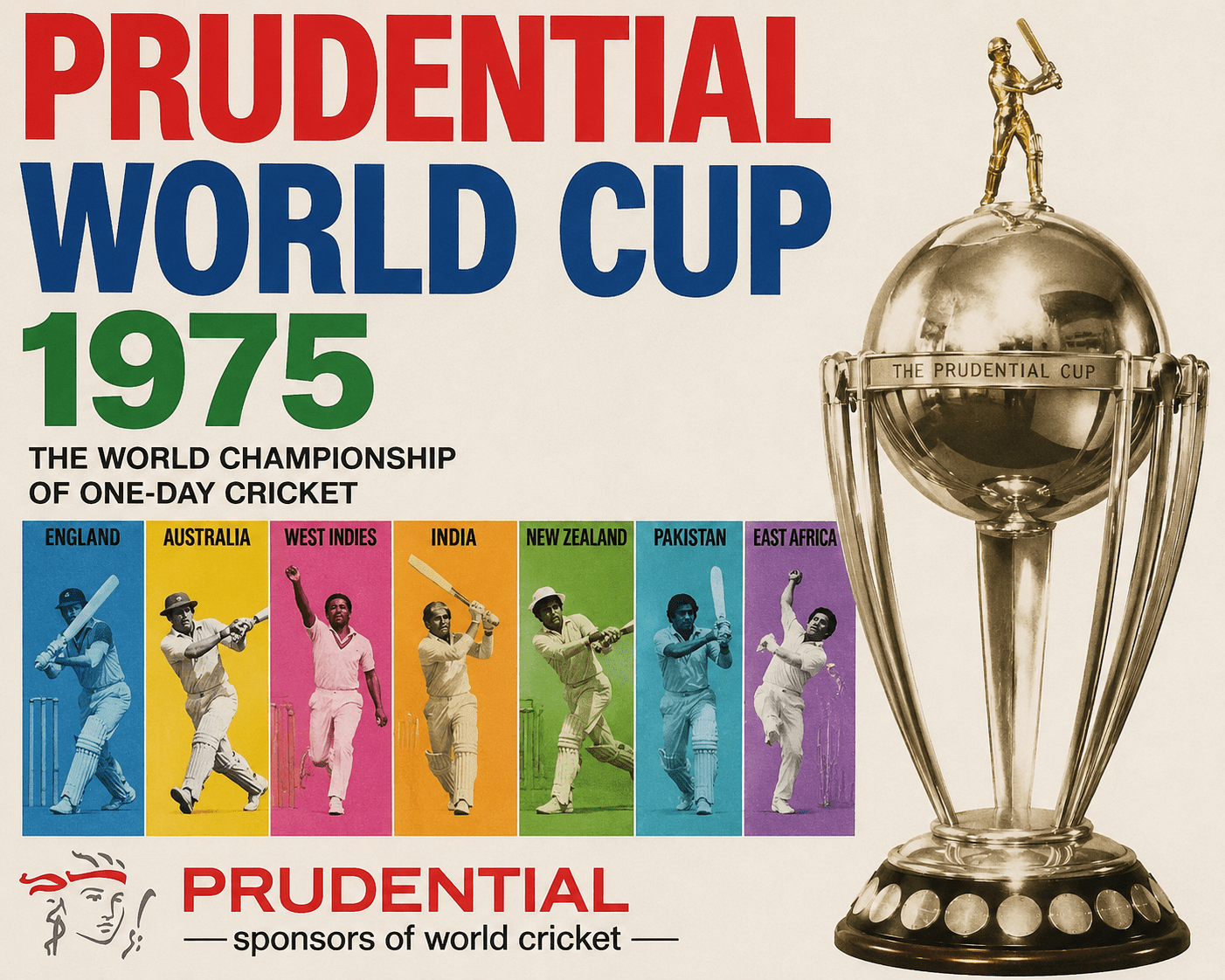
The inaugural Cricket World Cup took place from 7 June to 21 June 1975.
The tournament was officially called the Prudential World Cup, named after its sponsor, Prudential Assurance Company.
Although it was the first global ODI tournament, expectations were modest. No one knew whether fans would embrace an international one-day championship.
Instead, the tournament became an overwhelming success.
Teams That Participated
Eight teams competed.
Test-playing nations
Australia
England
India
New Zealand
Pakistan
West Indies
Associate participants
Sri Lanka
East Africa
At the time, Sri Lanka had not yet been granted Test status but was already recognized as one of the strongest emerging cricket nations.
East Africa represented Kenya, Uganda, Tanzania, and Zambia as a combined team.
Tournament Format
The competition featured a simple structure.
The eight teams were divided into two groups of four.
Each team played every other side in its group once.
The top two teams advanced to the semi-finals.
The winners of the semi-finals contested the final at Lord's.
Unlike today's 50-over format, every innings consisted of 60 overs, reflecting England's domestic one-day competition.
Players wore traditional white clothing, used a red cricket ball, and matches were played during daylight hours.
The Historic Final at Lord's
On 21 June 1975, Lord's Cricket Ground hosted the first Cricket World Cup Final.
The match featured:
West Indies vs Australia
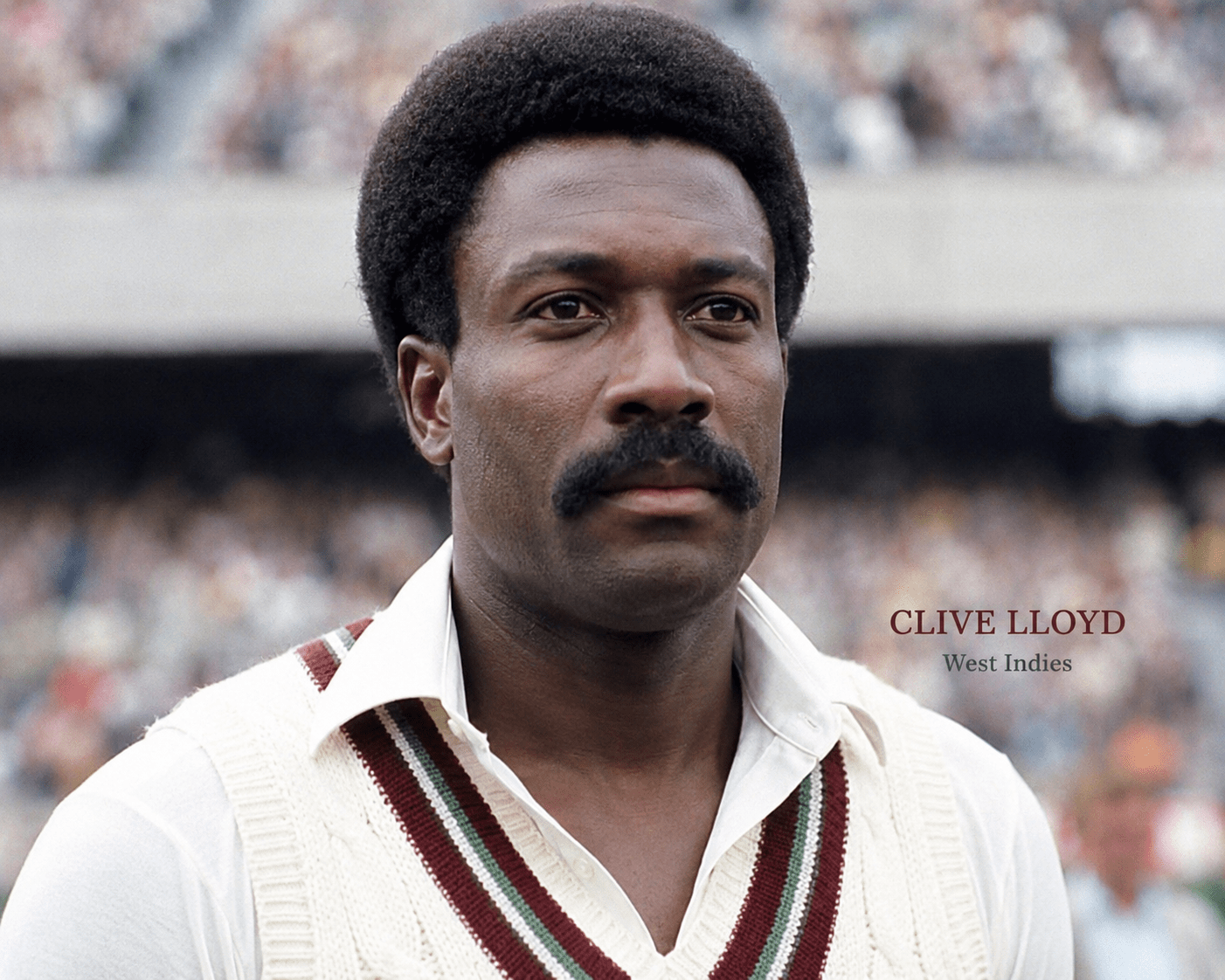
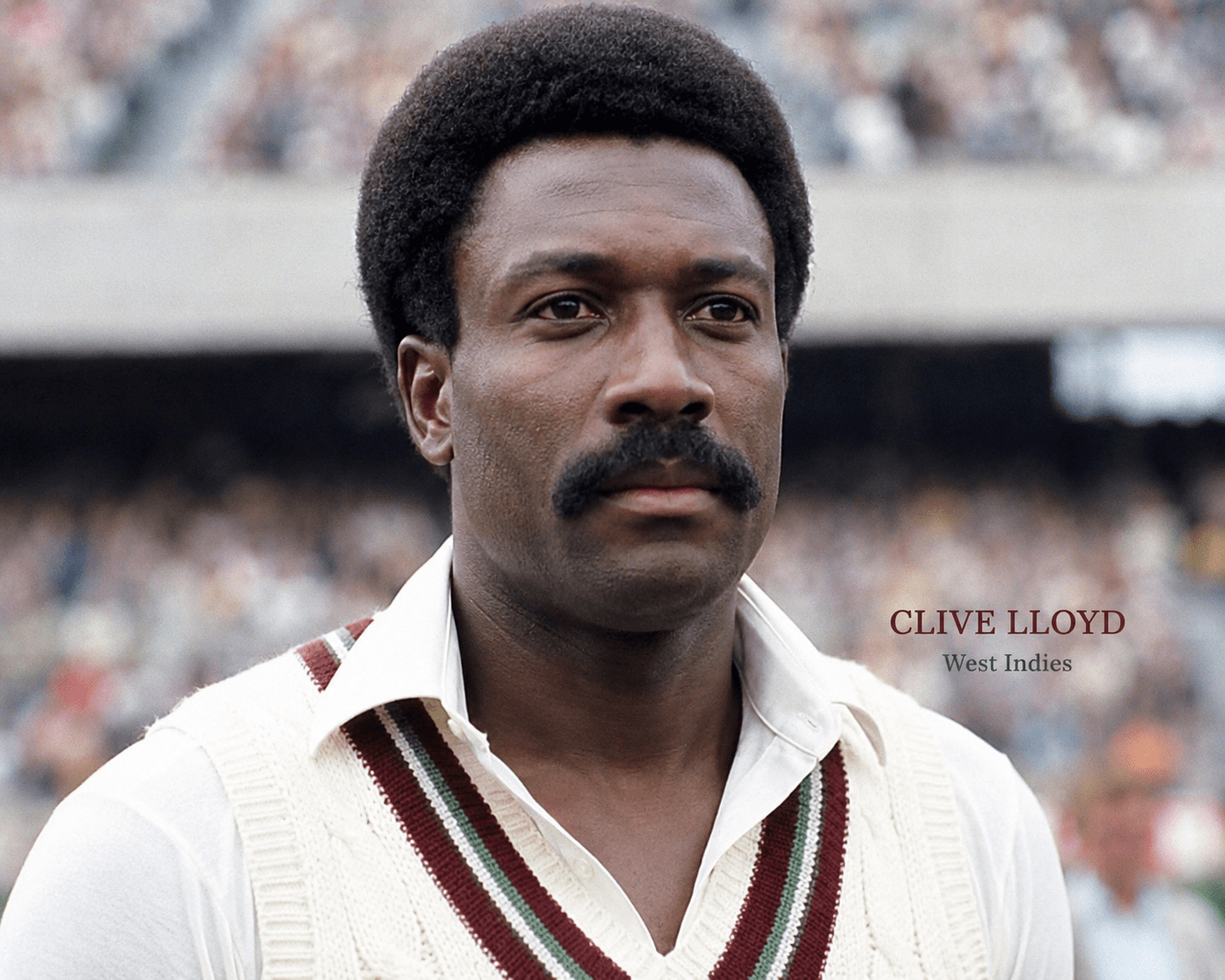
West Indies captain Clive Lloyd played one of the greatest innings in World Cup history.
After early wickets, Lloyd counterattacked brilliantly, smashing 102 runs from only 85 balls, including elegant drives and powerful pulls that stunned the Australian attack.
West Indies finished on 291/8 in 60 overs, an imposing total for the era.
Australia responded courageously.
Alan Turner and Ian Chappell provided a steady start before the middle order launched an impressive fightback.
As the match entered its closing stages, Australia still had a realistic chance of victory.
However, the brilliance of West Indies' fielding changed everything.
Viv Richards produced three spectacular direct-hit run-outs, while the West Indian bowlers maintained relentless pressure.
Australia were eventually dismissed for 274, giving West Indies a 17-run victory.
Clive Lloyd was named Player of the Match.
The West Indies became cricket's first-ever world champions.
The Impact of the First World Cup
The success of the 1975 tournament transformed cricket forever.
It proved that:
One-day cricket had enormous commercial value.
Television audiences loved shorter matches.
Sponsors were eager to invest.
Cricket could attract global attention beyond traditional Test audiences.
Conclusion
The origin of the Cricket World Cup is a story of innovation, ambition, and transformation. What started as an experiment to make cricket more exciting became one of the world's greatest sporting events.
The inaugural tournament in 1975 proved that limited-overs cricket could capture the imagination of millions. Since then, every edition has added another chapter to the remarkable history of the game.
Today, the Cricket World Cup is not just a tournament—it is a celebration of cricket's heritage, its present, and its future. For players, it is the ultimate prize. For fans, it is a festival of unforgettable memories. And for the sport itself, it remains the grand stage where history is written every four years.