Indian cricket has produced some of the greatest players in the history of the game, but behind every successful team stands a coach who provides direction, strategy, discipline, and belief.From rebuilding the team after difficult phases to guiding India to historic victories, these coaches have left an unforgettable mark on Indian cricket.
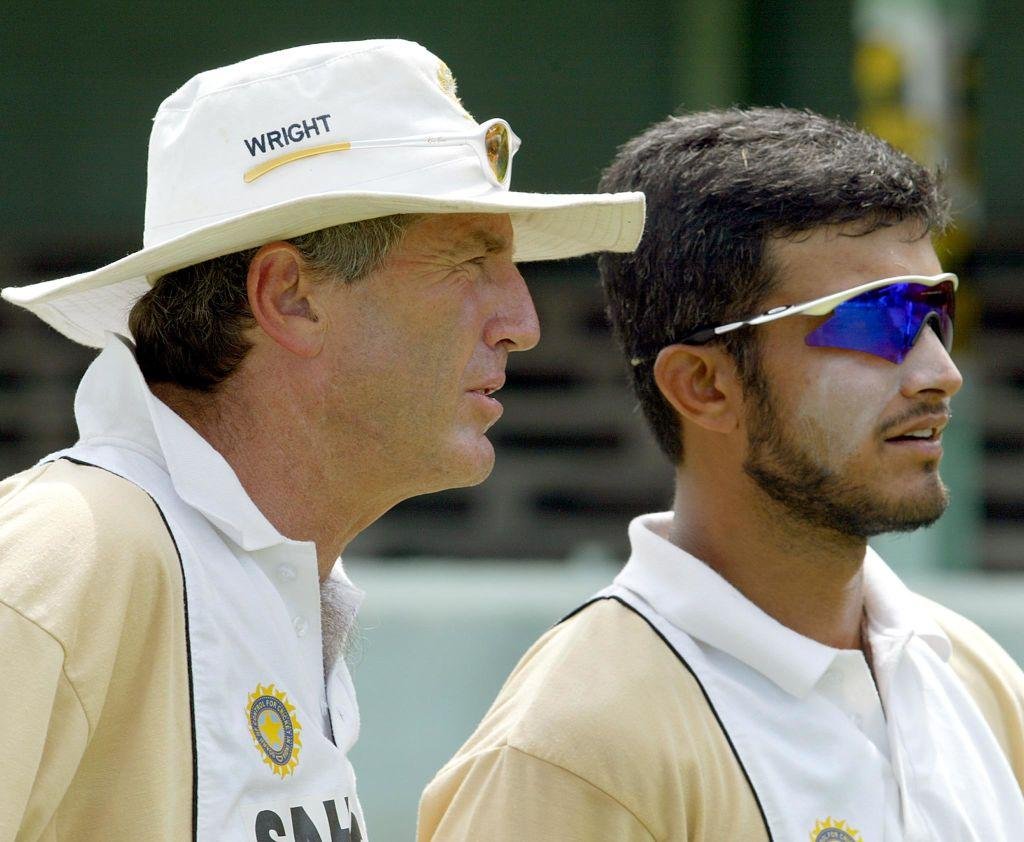
1. John Wright (New Zealand)
Tenure: 2000–2005
John Wright became the first foreign coach of the Indian men's cricket team, marking the beginning of a new era. He took charge at a time when Indian cricket was recovering from the match-fixing scandal and desperately needed stability.
Working alongside captain Sourav Ganguly, Wright helped build a fearless and competitive team. His calm personality and player-first approach earned the trust of the dressing room.
Major Achievements
Guided India to the 2003 ICC Cricket World Cup Final.
Won the 2002 ICC Champions Trophy (shared with Sri Lanka).
Helped develop stars such as Virender Sehwag, Harbhajan Singh, Yuvraj Singh, Zaheer Khan, and Mohammad Kaif.
Played a key role in India's famous Test victories overseas.
2. Gary Kirsten (South Africa)
Tenure: 2008–2011
Gary Kirsten is widely regarded as one of India's greatest cricket coaches. His coaching philosophy emphasized simplicity, trust, and allowing players to express themselves freely.
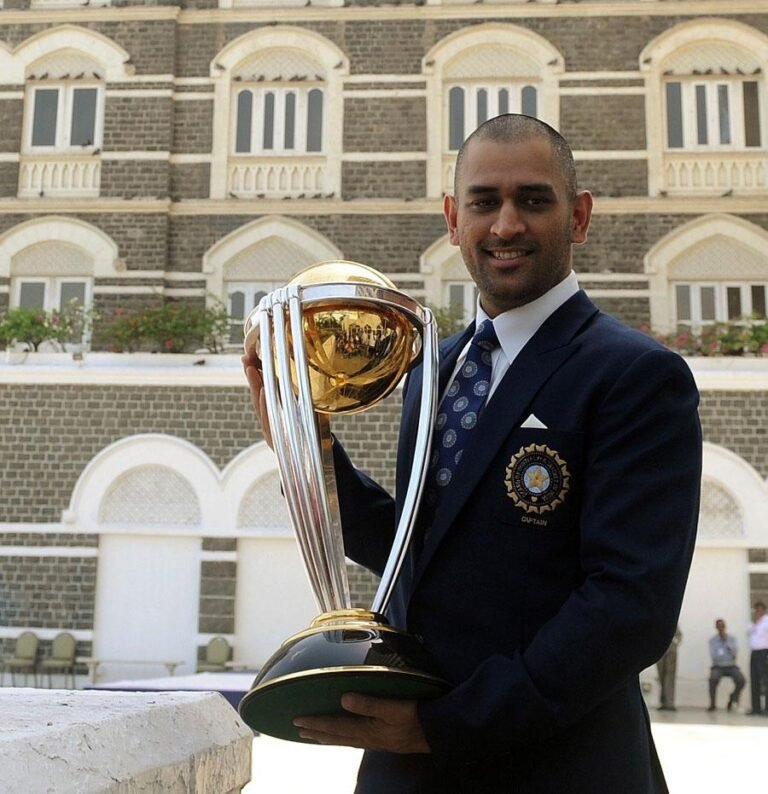
Under Kirsten, India reached the No. 1 ranking in ICC Test cricket and fulfilled a dream that had eluded generations by winning the 2011 ICC Cricket World Cup.

Major Achievements
Won the 2011 ICC Cricket World Cup.
Helped India become the No. 1 Test team.
Maintained an excellent win percentage across all formats.
Successfully managed a dressing room full of superstar players.
3. Ravi Shastri (India)
Tenure: 2017–2021 (Previously Team Director)
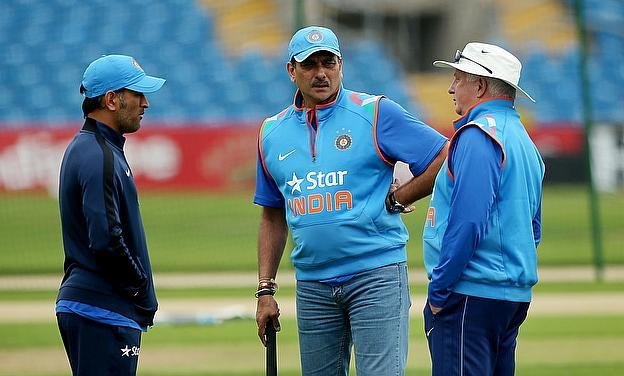
Ravi Shastri brought passion, aggression, and confidence to the Indian team. Partnering with captain Virat Kohli, he encouraged an attacking style of cricket and emphasized fitness, fast bowling, and overseas success.
Major Achievements
Historic Test series victory in Australia (2018–19).
Consecutive Test series win in Australia (2020–21).
Led India to the inaugural ICC World Test Championship Final.
Built one of India's strongest pace bowling attacks.
4. Rahul Dravid (India)
Tenure: 2021–2024
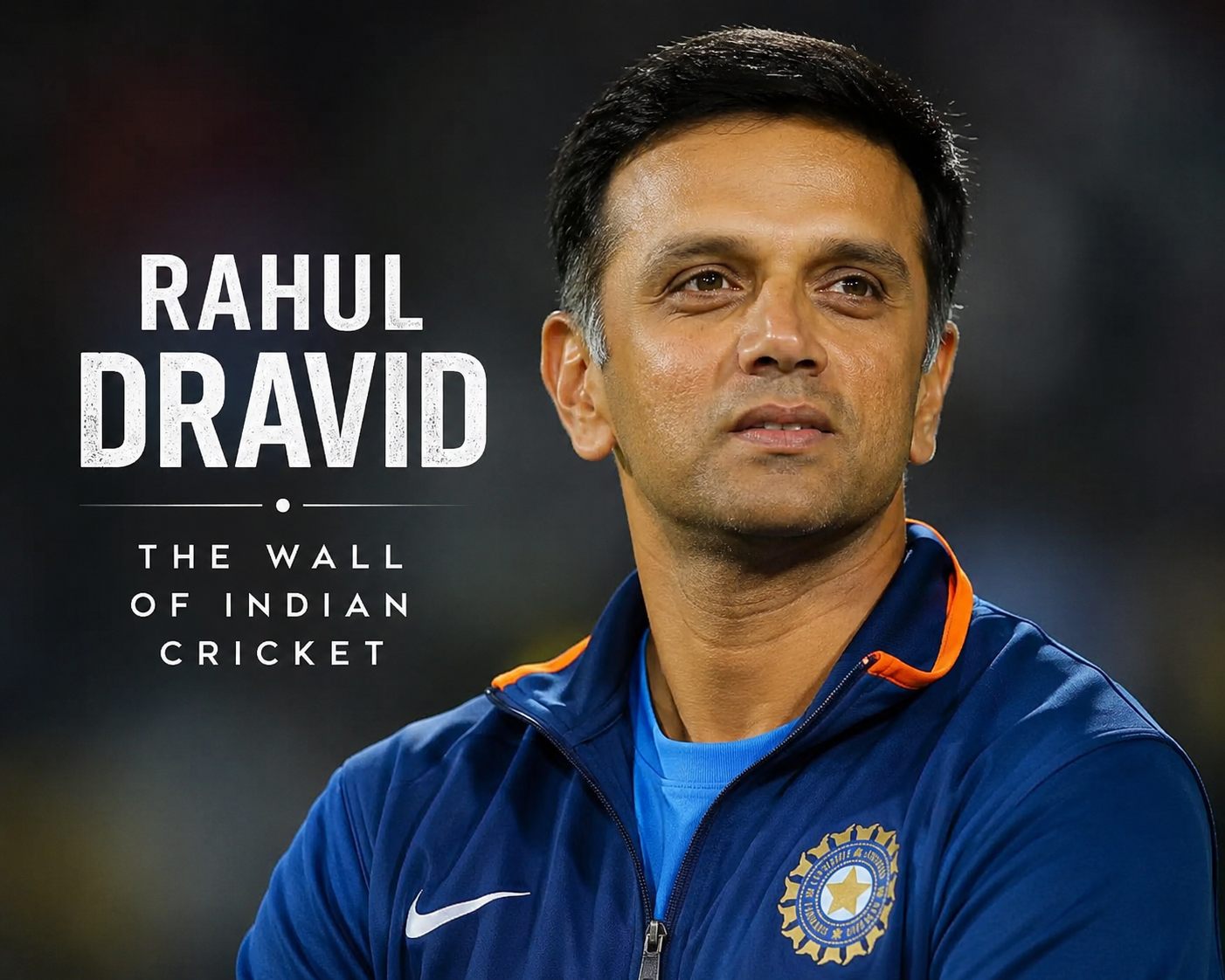
Known as "The Wall," Rahul Dravid carried his reputation for discipline and player development into coaching. Having successfully coached India's Under-19 and India A teams, he already knew many young players before becoming head coach.
His emphasis on nurturing young talent and maintaining a positive team culture proved invaluable.
Major Achievements
Won the 2024 ICC Men's T20 World Cup.
Guided the team to the 2023 ICC Cricket World Cup Final.
Helped India win the 2023 Asia Cup.
Successfully integrated several young players into the senior squad.
Comparing India's Greatest Coaches
Coach
Years
Achievement
Coaching Style
John Wright
2000–2005
2003 World Cup Final
Team building, stability
Gary Kirsten
2008–2011
2011 World Cup Winner
Calm leadership, player empowerment
Ravi Shastri
2017–2021
Historic Australia Test wins
Aggressive, fitness-focused
Rahul Dravid
2021–2024
2024 T20 World Cup
Youth development, discipline
Gautam Gambhir
2024–Present
Ongoing tenure
Tactical, fearless approach
What Makes a Great Cricket Coach?
Build a strong team culture.
Develop young talent into international stars.
Adapt strategies to different conditions and opponents.
Maintain player confidence during difficult phases.
Balance experienced players with emerging talent.
Foster discipline, fitness, and professionalism.