How the Second World Cup Improved on the Historic 1975 Tournament
The 1979 Cricket World Cup, officially known as the Prudential World Cup 1979, marked another milestone in cricket history. Held in England from 9 June to 23 June 1979, it was only the second edition of the Cricket World Cup, but it demonstrated how quickly the tournament had evolved since its inaugural edition in 1975.
The 1975 Cricket World Cup was cricket's first-ever global ODI tournament. Organized by the International Cricket Conference (ICC), it featured eight teams competing in 60-over matches played entirely during the day with traditional white clothing and red cricket balls.
Looking Back at the 1975 World Cup
The 1975 Cricket World Cup was cricket's first-ever global ODI tournament. Organized by the International Cricket Conference (ICC), it featured eight teams competing in 60-over matches played entirely during the day with traditional white clothing and red cricket balls.
The participating teams were:
8 participating teams
Two groups of four teams
60 overs per innings
White clothing
Red cricket ball
Day matches
Top two teams from each group advanced to the semi-finals
The quality of cricket had noticeably improved.
Teams Participating
Group A
England
Pakistan
New Zeal
Sri Lanka
Group B
Australia
West Indies
India
Canada
One of the biggest changes from 1975 was the replacement of East Africa by Canada, who qualified through the ICC Trophy.
Major Improvements Compared to the 1975 World Cup
1. Better ODI Strategy
In World Cup of 1975, many teams approached ODI cricket as a shortened version of Test cricket.
As per 1979:
Batsmen scored more aggressively.
Bowlers used defensive tactics more effectively.
Captains planned innings carefully.
Field placements became more innovative.
The understanding of one-day cricket had improved dramatically.
2. Increased Competition
The 1975 World Cup featured several one-sided matches.
In contrast, the 1979 tournament produced far more competitive cricket
Pakistan, England, Australia, New Zealand and the West Indies all displayed strong performances throughout the tournament.
Even Sri Lanka impressed cricket experts despite not yet having Test status.
3. Rise of Associate Nations
Canada's qualification highlighted the ICC's growing vision of expanding cricket beyond traditional nations.
Although Canada struggled against stronger opponents, their participation encouraged the development of international cricket worldwide.
4. England's Strong Performance
England reached another World Cup final after dominating Group A.
Key performers included:
Mike Brearley (captain)
Geoff Boycott
Graham Gooch
Bob Willis
England looked determined to win their first World Cup on home soil.
The West Indies Remained Untouchable
The defending champions once again proved they were the strongest ODI side in the world.
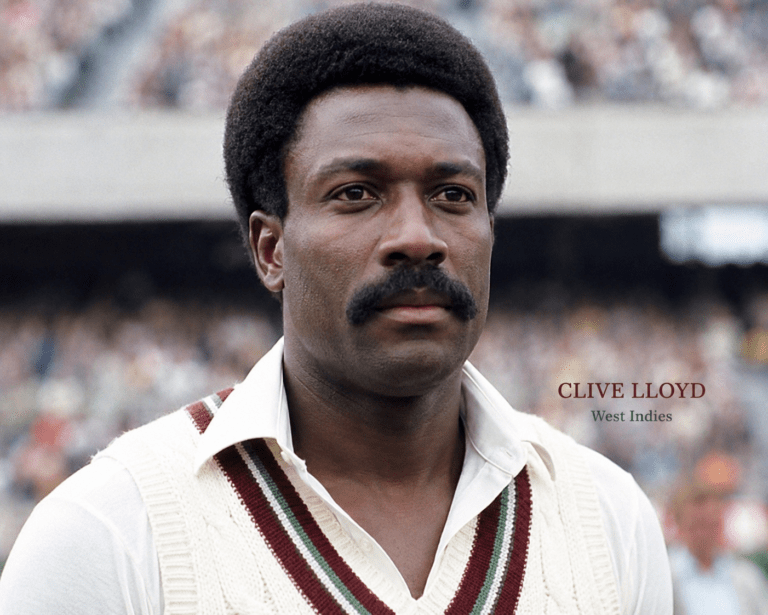
Led by captain Clive Lloyd, the Caribbean team possessed:
Powerful batting
Fearsome fast bowling
Outstanding fielding
Tremendous experience
Their squad included legendary players such as:
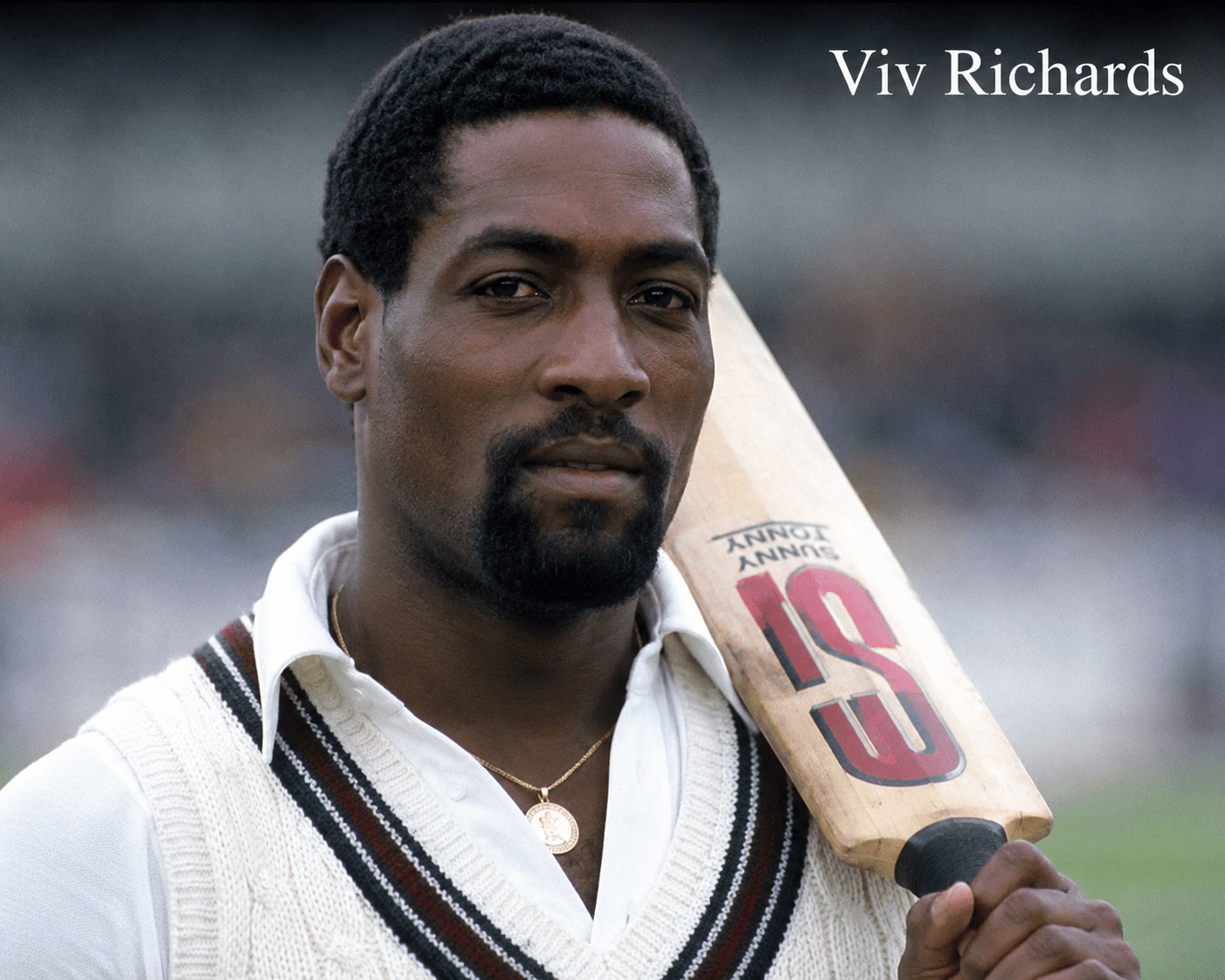
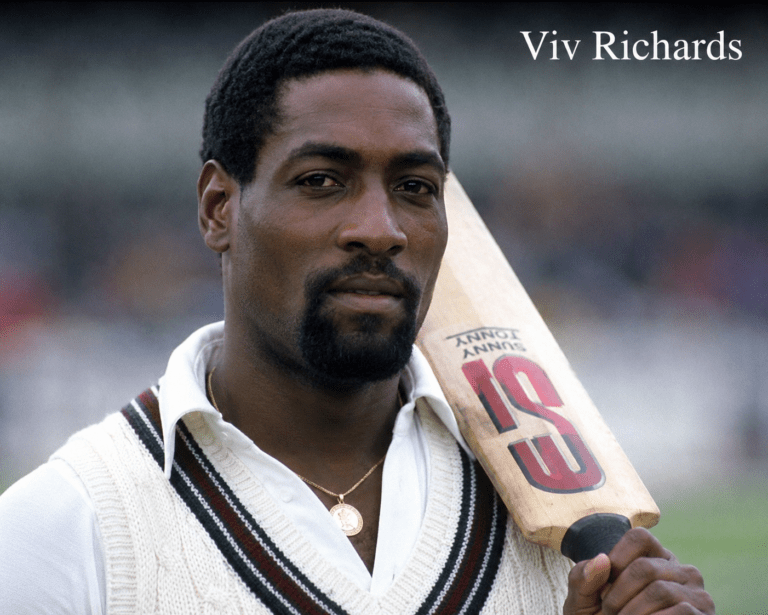
Viv Richards
Gordon Greenidge
Desmond Haynes
Joel Garner
Michael Holding
Andy Roberts