|

1987 Cricket World Cup

The Tournament That Changed Cricket Forever The 1987 Cricket World Cup, officially known as the Reliance World Cup 1987, was one of the most important tournaments in the history of the sport. It was not simply another edition of the World Cup; it was a turning point that helped reshape international cricket for the modern…

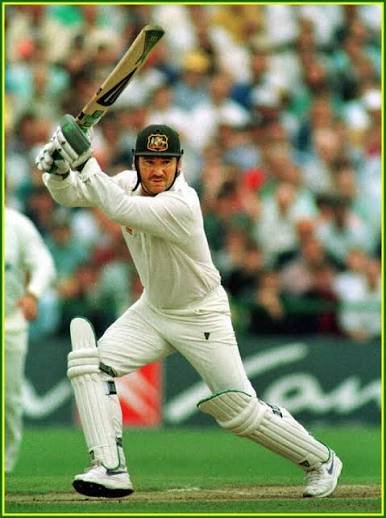
allan border

The 1987 Cricket World Cup, officially known as the Reliance World Cup 1987, was one of the most important tournaments in the history of the sport. It was not simply another edition of the World Cup; it was a turning point that helped reshape international cricket for the modern era.

For the first time ever, the Cricket World Cup was held outside England, with India and Pakistan jointly hosting the event. That alone made the tournament historic. It also introduced the now-standard 50-over format, replacing the earlier 60-over matches because of the shorter daylight hours and playing conditions in the Indian subcontinent. The change was so successful that it became the permanent template for One Day International cricket.

The tournament was also significant because it brought the World Cup to a region where cricket is followed with extraordinary passion. Packed stadiums, intense rivalries, and a vibrant atmosphere gave the event a completely different feel from the earlier editions in England.

Australia emerged as champions for the first time, defeating England in a dramatic final at Eden Gardens, Kolkata. Their victory marked the beginning of a new chapter in World Cup history and the rise of Australia as one of the dominant forces in limited-overs cricket.

Tournament Overview

Official Name: Reliance World Cup 1987
Edition: 4th Cricket World Cup
Dates: 8 October – 8 November 1987
Hosts: India & PakistanAdministrator: International Cricket Conference (the governing body that later became the ICC)
Format: One Day International (50 overs per side)
Teams: 8
Total Matches: 27
Champions: Australia (1st Title)
Runners-up: England

The tournament was sponsored by Reliance Industries, which reflected the growing commercial importance of cricket in India. It was also staged in the post-monsoon period, helping organizers manage weather conditions and create a full month of high-quality cricket across major venues in both host nations.

Participating Teams

Eight teams competed in the tournament:

Australia
England
India
Pakistan
New Zealand
West Indies
Sri Lanka
Zimbabwe

The field included established giants such as Australia, England, India, Pakistan, and the West Indies, along with developing sides like Sri Lanka and Zimbabwe. This mix gave the tournament both prestige and unpredictability.

Biggest Changes in the 1987 World Cup

1. First World Cup Outside England

The previous three World Cups (1975, 1979, 1983) had all been held in England.

The 1987 edition broke that pattern and proved that the World Cup could succeed on a completely different stage. Hosting the tournament in India and Pakistan was a major statement about cricket’s expanding global identity.

The success of the event showed that the Indian subcontinent could handle the pressure, scale, and excitement of a major international tournament. It also helped shift cricket’s commercial and cultural centre toward Asia, where the sport already had an enormous following.

2. Introduction of 50-Over Cricket

The earlier World Cups consisted of 60 overs per innings.

The 1987 edition reduced matches to 50 overs, a format that remains the ODI standard today. This was one of the most important structural changes in cricket history.

The shorter format made matches more manageable for players, broadcasters, and spectators. It also created a better balance between batting and bowling, with teams needing to be more strategic about pacing their innings, preserving wickets, and accelerating at the right time.

The success of the 50-over format in 1987 helped establish it as the global standard for limited-overs cricket.

3. Massive Fan Support

Cricket fever swept across India and Pakistan.

Stadiums were packed throughout the tournament, and the atmosphere was often electric. The noise, colour, and intensity of the crowds gave the World Cup a unique identity that was very different from the more subdued environments of earlier editions in England.

The tournament demonstrated how deeply cricket is woven into the sporting culture of the subcontinent. It also showed broadcasters and administrators the power of passionate fan engagement, which would become even more important in the decades that followed.

Semi-Finals

Australia vs Pakistan

Venue: Lahore

Australia stunned tournament favourites Pakistan.

This was one of the most impressive victories of the tournament because Pakistan were strong at home and had the backing of passionate local support. Australia, however, played with composure and discipline.

Outstanding performances came from:

David Boon
Geoff Marsh
Steve Waugh
Craig McDermott

England vs India

Venue: Mumbai

England defeated defending champions India despite another solid batting display from India.

This semi-final was a major disappointment for the home side, who had hoped to defend their title in front of their own fans. England, however, were more composed in the decisive moments and handled the pressure better.

England reached their third World Cup final, showing that they remained one of the strongest limited-overs teams in the world.

The Historic Final

Australia vs England

Venue: Eden Gardens, Kolkata
Australia batted first and scored:

253/5 (50 overs)

Key contributors included:

David Boon – 75
Mike Veletta – crucial late runs
Allan Border – calm captaincy

Australia’s innings was built on patience, structure, and smart batting rather than reckless aggression. David Boon anchored the innings with a crucial half-century, while Allan Border provided the steady leadership that had defined Australia’s campaign. Mike Veletta’s late contribution added valuable momentum at the end of the innings.

Captain Mike Gatting appeared to have the game under control before attempting an ill-fated reverse sweep off Allan Border. The dismissal became one of the most famous moments in World Cup history and shifted the momentum decisively in Australia’s favour.

England finished on:

246/8

Australia won by 7 runs, claiming their first Cricket World Cup title.

The final is remembered not only for the narrow margin, but also for its drama, pressure, and iconic turning point. It remains one of the most memorable ODI finals ever played.

Why the 1987 World Cup Was Historic

First World Cup hosted outside England
First 50-over World Cup
Australia's maiden World Cup title
First World Cup hat-trick (Chetan Sharma)
Beginning of Australia's World Cup dominance
Massive growth of cricket across the Indian subcontinent

The tournament was historic not just because of its winners, but because of the changes it introduced. It proved that the World Cup could thrive in Asia, that the 50-over format was the right fit for ODI cricket, and that the sport’s biggest event could attract enormous crowds outside England.

It also marked the start of Australia’s long-term World Cup success and gave cricket one of its most famous individual milestones in Chetan Sharma’s hat-trick.

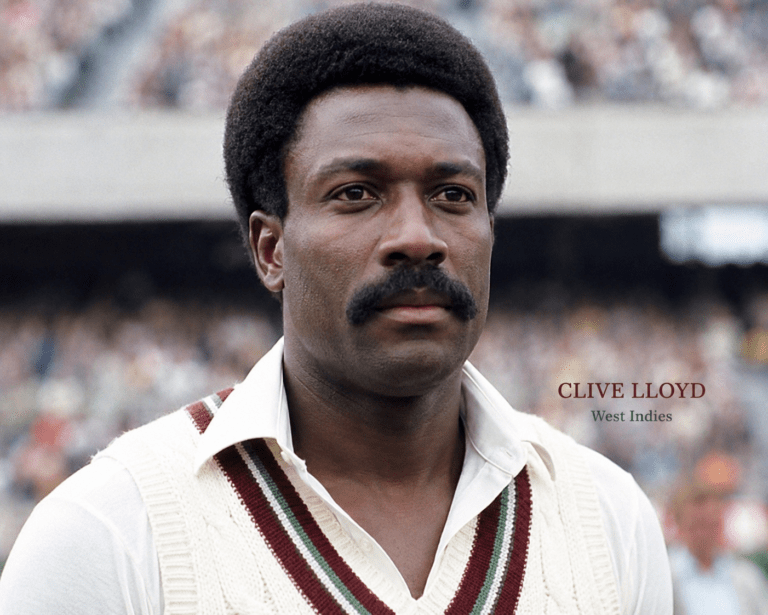
Final, Eden Gardens, November 08, 1987, Reliance World Cup

Similar Posts

Leave a Reply

Your email address will not be published. Required fields are marked *