The Rain Rule That Changed Cricket Forever
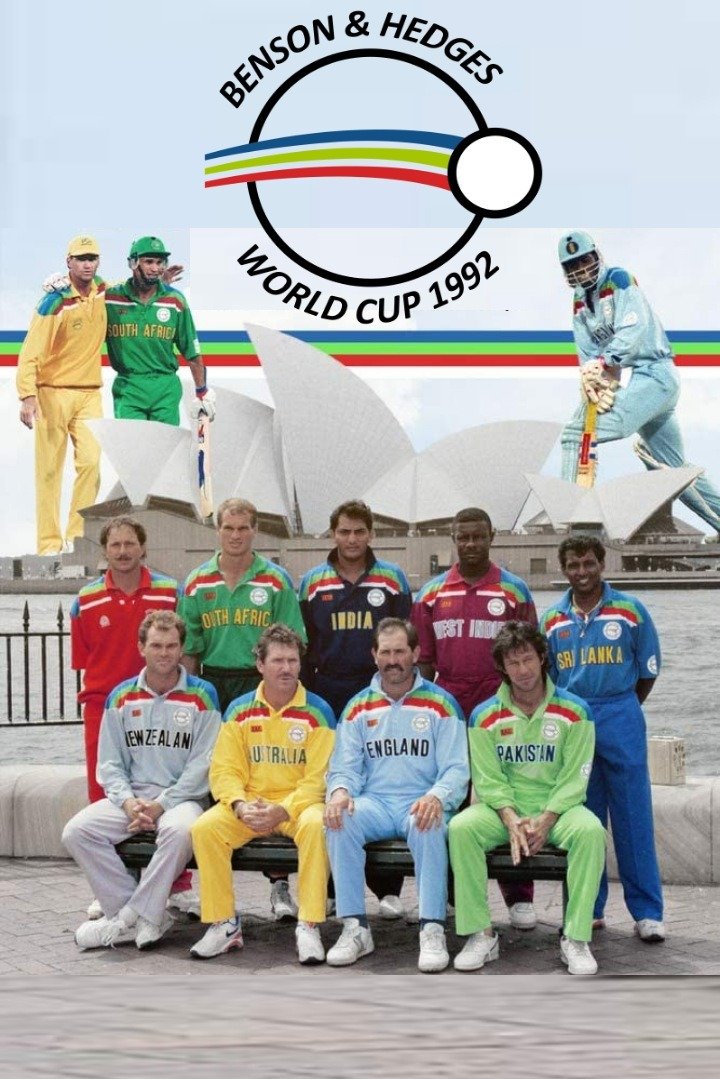
The second semi-final of the 1992 Cricket World Cup, played on 22 March 1992 at the Sydney Cricket Ground (SCG), is remembered not for brilliant cricket alone, but for one of the most controversial endings in the history of the game.
It was South Africa's first World Cup after returning from international isolation, and they were just minutes away from potentially reaching their maiden World Cup final. Instead, an outdated rain rule produced one of cricket's most infamous moments.
Match Details
England's Innings – 252/6 (45 Overs)
England lost captain Graham Gooch early, and Ian Botham also failed cheaply. South Africa's disciplined pace attack initially controlled the innings.
Then came Graeme Hick, who produced one of his finest World Cup innings.
Key Performances
South Africa's bowling:
South Africa's Chase
Target: 253 runs
South Africa began confidently.
Major Contributions
Andrew Hudson – 46
Peter Kirsten – 39
Hansie Cronje – useful middle-order runs
Brian McMillan remained unbeaten at the end.
England struck at important moments through Richard Illingworth and Chris Lewis, but South Africa never allowed the required rate to become impossible.
With only a few overs remaining, the match was perfectly poised.
The Situation Before Rain
At 231/6 after 42.5 overs, South Africa required:
22 runs from 13 balls
With hard-hitter Brian McMillan at the crease and David Richardson supporting him, the chase was still very much alive.
The SCG crowd expected a thrilling finish.Then rain arrived.
The Most Controversial Rain Rule in Cricket History
Rain stopped play for about 12 minutes.
Because of broadcasting time limits, two overs had to be removed from the chase. Under the tournament's "Most Productive Overs" method, officials deleted England's two lowest-scoring overs when recalculating the target.
Instead of reducing both the target and the balls proportionately, the rule produced an absurd equation.
South Africa suddenly needed:
21 (commonly displayed as 22) runs from just ONE ball.
Television graphics famously showed:
"22 Runs Needed Off 1 Ball."
Although later scorebooks clarified the technical requirement was 21 from 1, it made no practical difference—either target was impossible.
Birth of the Duckworth–Lewis Method
The controversy directly inspired statisticians Frank Duckworth and Tony Lewis to develop a new mathematical system for interrupted matches.
Their method eventually became the Duckworth–Lewis (now Duckworth–Lewis–Stern, DLS) system, officially adopted by the ICC from 1999 onward.
Memorable Quote
"22 runs needed from 1 ball."
Those seven words became one of the most infamous scoreline graphics in cricket history and remain synonymous with the flawed 1992 World Cup rain rule.