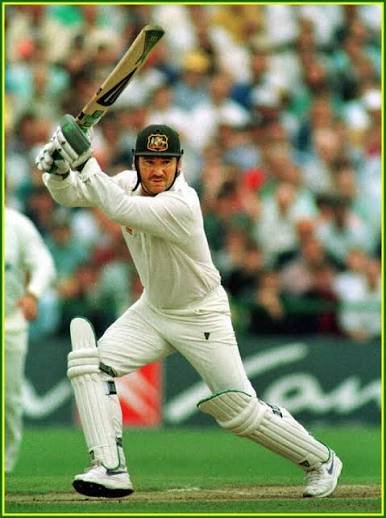
The Ashes is the oldest, most prestigious, and most celebrated bilateral Test cricket series in the world. Played between Australia and England, the Ashes has produced some of the greatest matches, legendary cricketers, unforgettable moments, and fierce sporting rivalries since the late 19th century.
Unlike the ICC Cricket World Cup or ICC World Test Championship, the Ashes is a traditional bilateral Test series. It is contested approximately every two years, alternating between England and Australia.
More than just a cricket contest, the Ashes represents over 140 years of sporting history, national pride, tradition, and excellence.
Quick Facts
Category
Details
Tournament
Sport
Test Cricket
First Series
Origin
1882
Teams
Administrator
ECB & Cricket Australia
Format
Test Cricket
Trophy
Ashes Urn
Frequency
Every 2 years (approximately)
Current Holder
Changes after each series
Most Successful Team
Australia
Famous Trophy

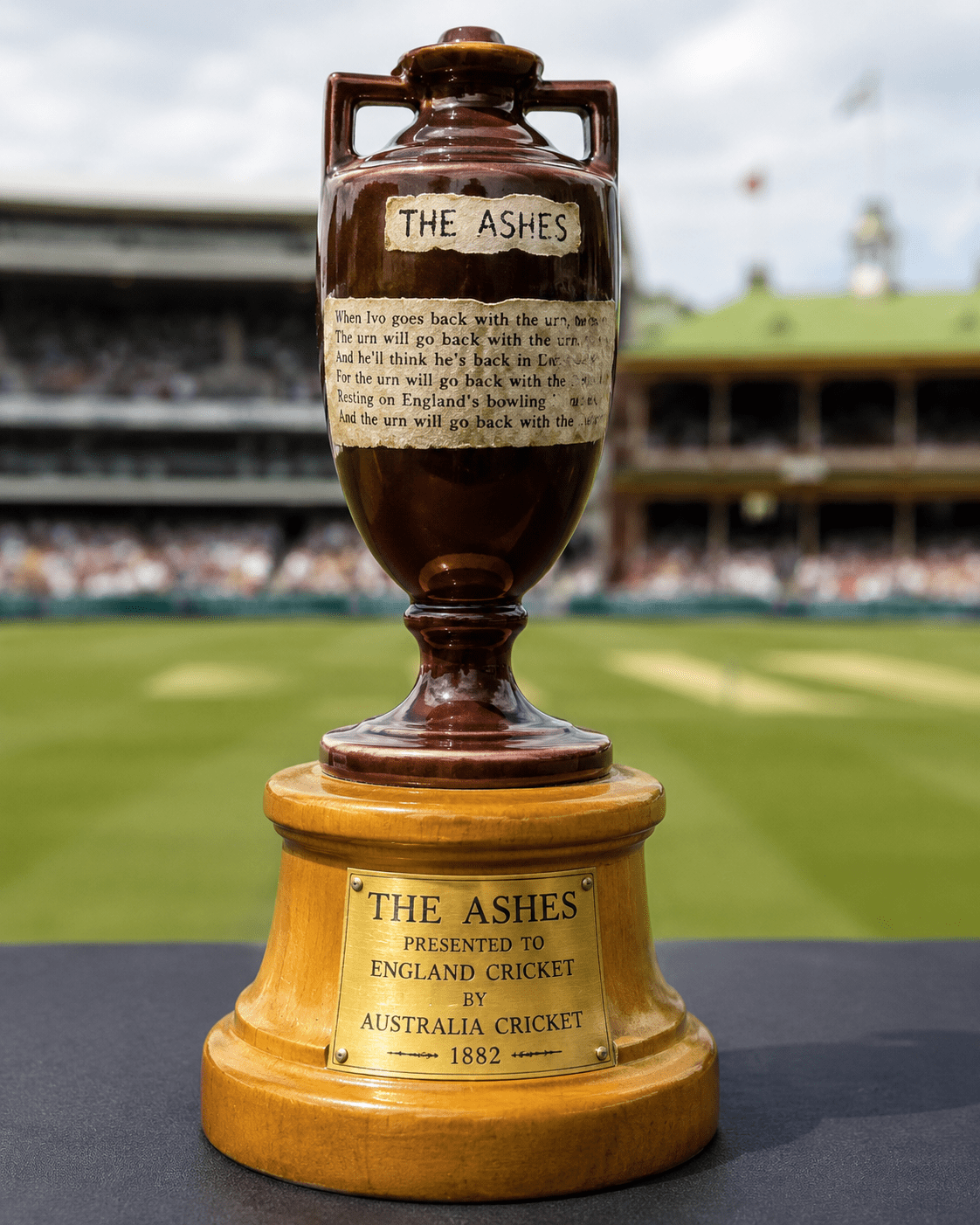

Why is it Called "The Ashes"?
The name "The Ashes" comes from one of cricket's most famous newspaper articles.
On 29 August 1882, Australia defeated England at The Oval, London, by just 7 runs.
It was Australia's first-ever Test victory on English soil.
England's defeat shocked the cricket world.
"In affectionate remembrance of English Cricket, which died at The Oval on 29 August 1882...The body will be cremated and the ashes taken to Australia."
When England captain Ivo Bligh travelled to Australia in 1882–83, he promised to "recover the Ashes."
During the tour, a small terracotta urn was presented to Bligh by a group of women in Melbourne.
That urn became the symbolic Ashes trophy.
Evolution Through the Eras
1882–1914: The Foundation Years
Highlights:
Birth of the Ashes
Ivo Bligh's successful tour
Growing popularity
Legendary all-rounders emerged
Longer sea voyages between countries
1920s–1930s: The Bradman Era
This era belonged to Sir Donald Bradman, widely regarded as the greatest batter in cricket history.
Bradman's achievements include:
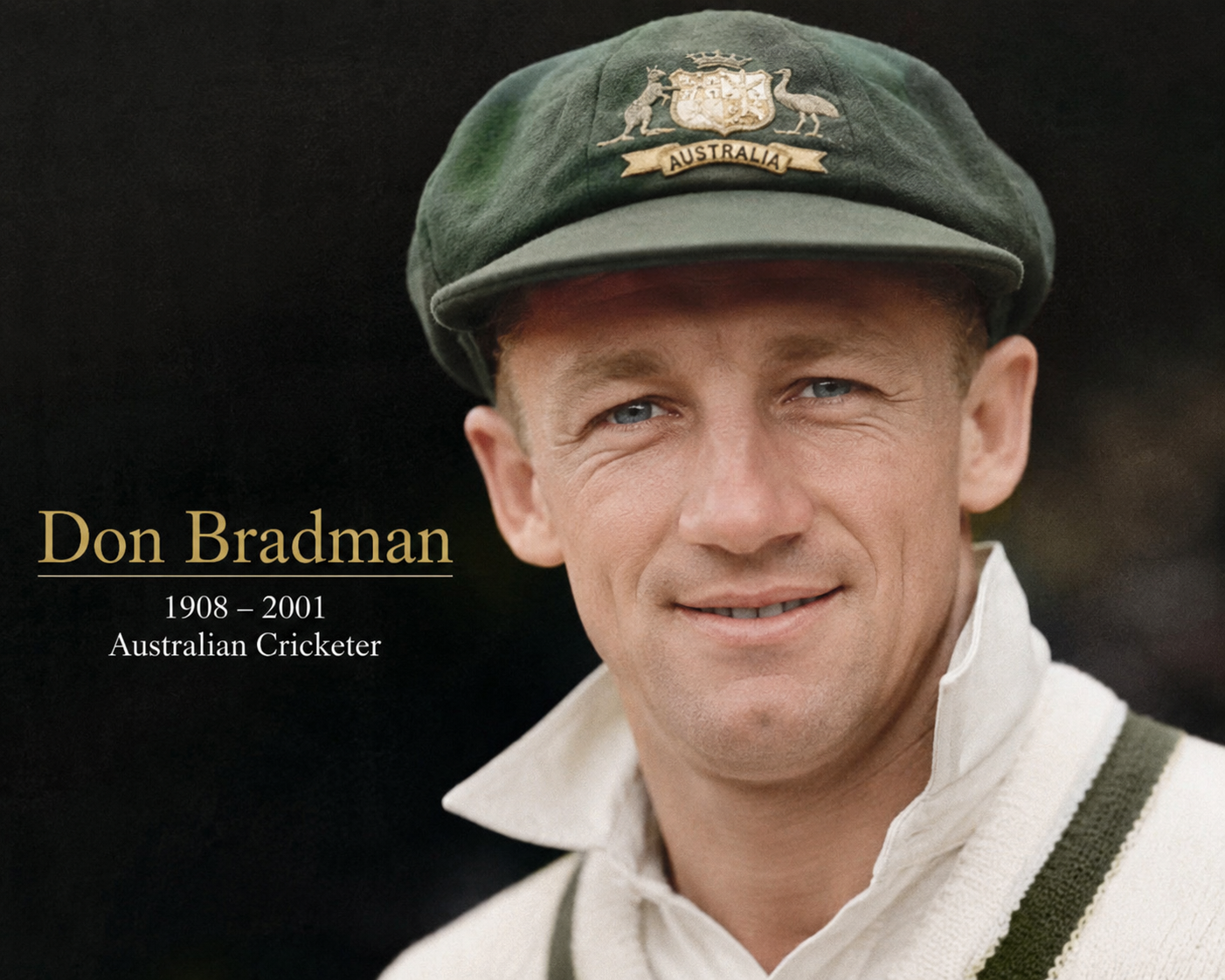
His performances forced England to develop the controversial Bodyline strategy.
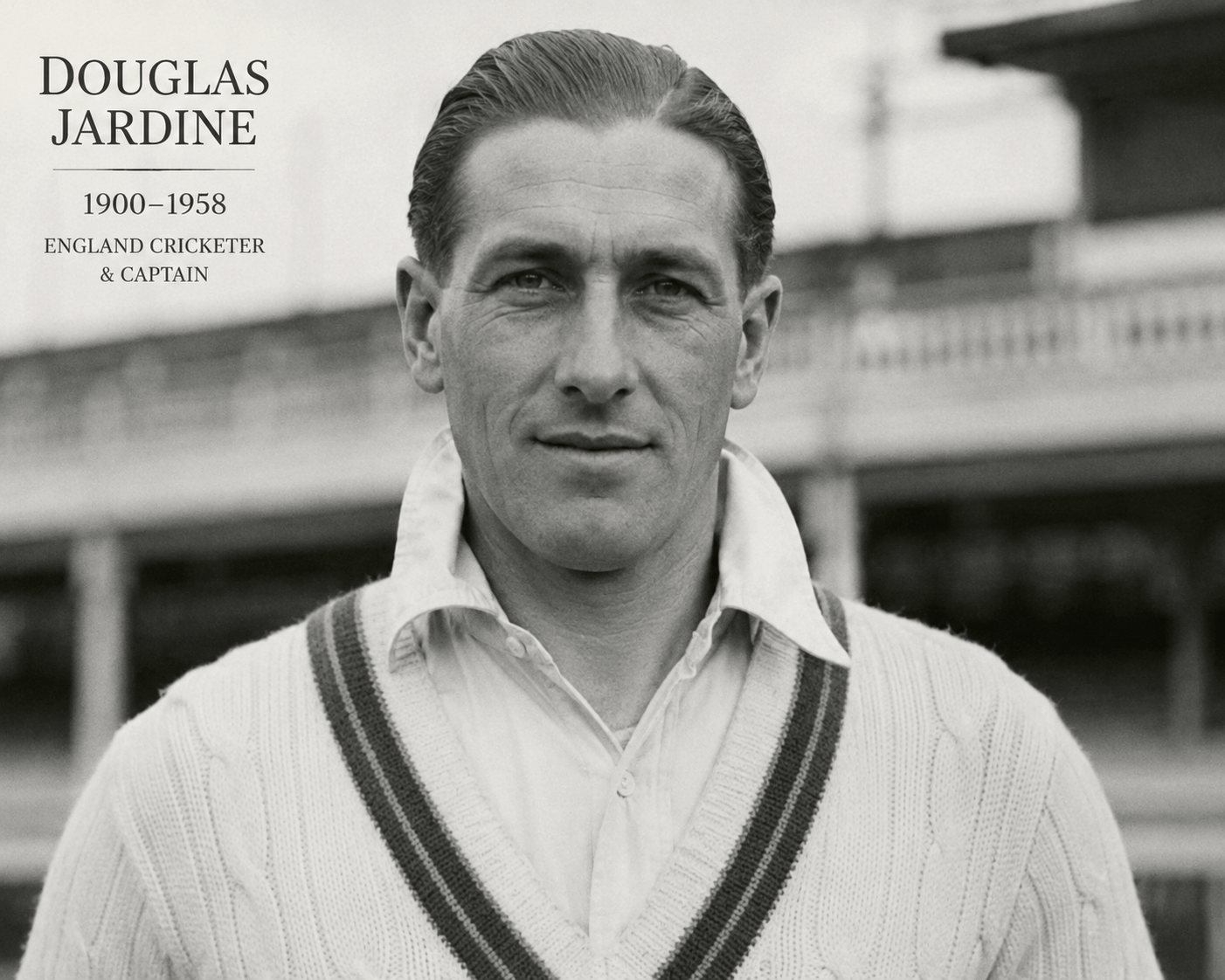
1932–33: The Bodyline Series
One of the most controversial events in cricket history.
England captain:
Fast bowler:
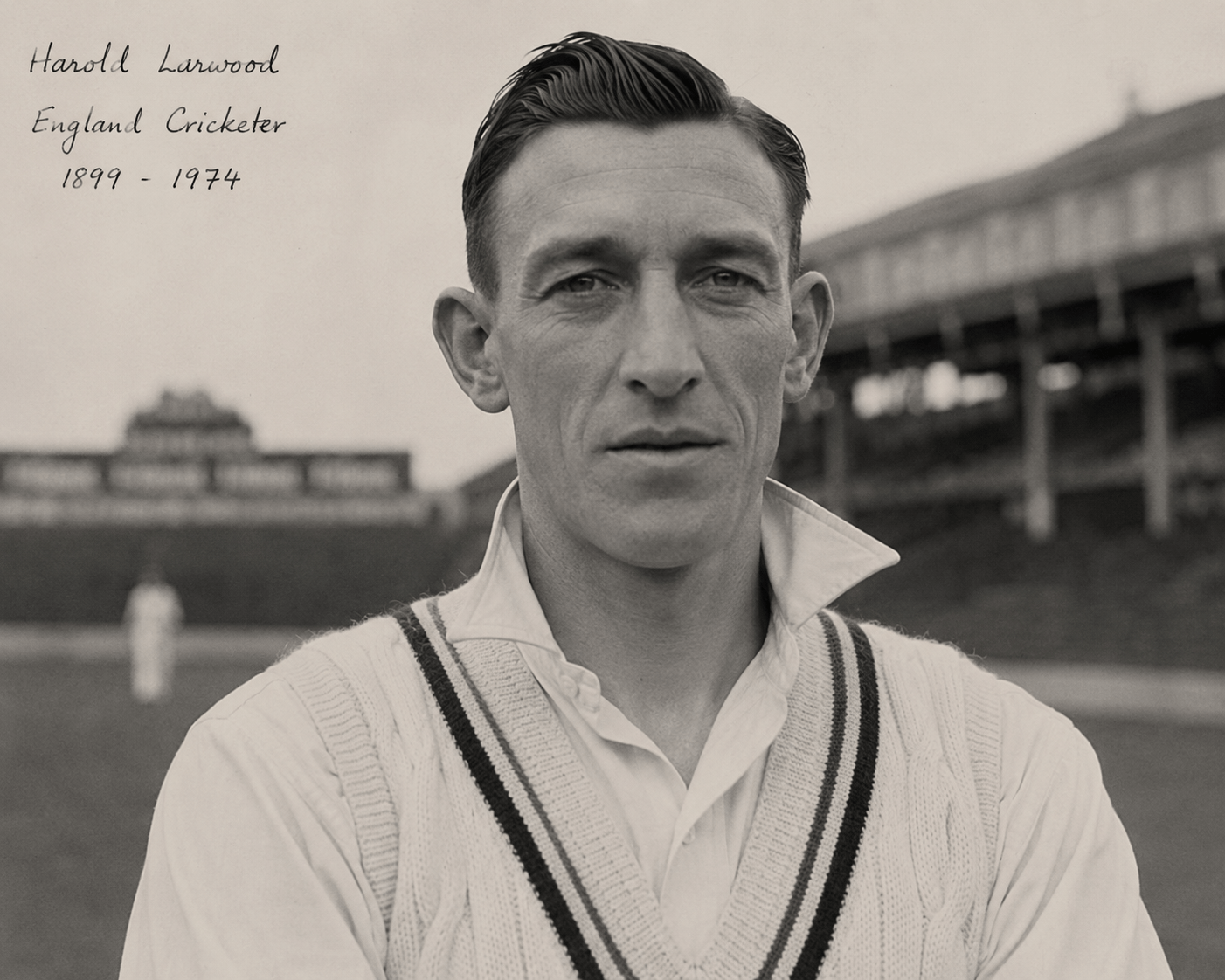
Post-War Era (1946–1970)
1970s–1980s
1981: Botham's Ashes
1990s: Australian Domination
2005: Greatest Modern Ashes




Why the Ashes Is So Special
The Ashes is unique because of:
Over 140 years of uninterrupted tradition (except wartime).
Rich historical significance.
Legendary individual performances.
Intense rivalry.Iconic venues.
High-quality Test cricket.
Passionate supporters.
The Ashes is unique because of:
Over 140 years of uninterrupted tradition (except wartime).
Rich historical significance.
Legendary individual performances.
Intense rivalry.
Iconic venues.
High-quality Test cricket.
Passionate supporters.
Iconic Ashes Venues.